

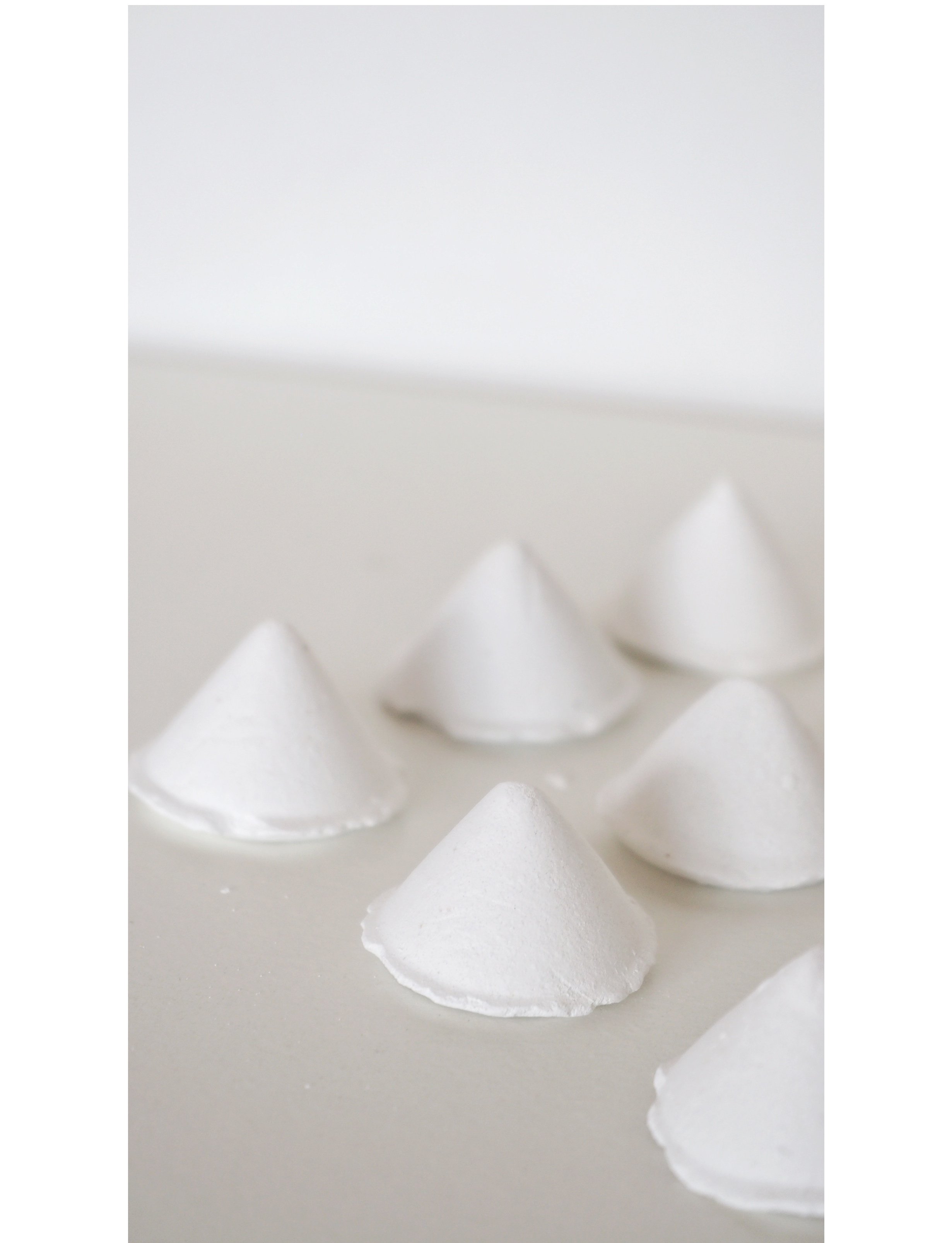

10 pieces per bag
These high-quality refractory kiln stilts are a must-have for ceramic artists and potters. Built to support and elevate your ceramic pieces during firing, they’re made from sturdy, heat-resistant materials designed to endure the extreme temperatures inside a kiln, maintaining their strength and shape throughout the process.
By using these stilts, you can safeguard your glazed surfaces and achieve a smooth, professional finish on your pottery. Whether you’re a hobbyist, professional, or working in a studio, these stilts are an essential tool for flawless firing results.
Protect your ceramics and elevate your work with these durable kiln stilts.


This high-quality sanding cloth is specially designed for dry sanding in ceramics, ideal for surface refinement before bisque firing.
Measuring approximately 20cm × 12.5cm with a thickness of 0.8–0.9cm, it offers excellent durability and a soft touch, making it comfortable to use.
A must-have tool for artists working with Nerikomi and other intricate ceramic techniques, helping achieve smooth, polished surfaces.
Material: Fiber sanding cloth
Size: Approx. 20cm × 12.5cm × 0.8–0.9cm
Usage: Dry sanding before bisque firing, surface refinement, detail smoothing
Features: Soft yet durable, provides even sanding, perfect for fine ceramic work like Nerikomi


Protect your fingers while trimming and shaping!
one size only, 5 per pack.
These flexible finger gloves are designed to shield your skin from rubbing, irritation, and open wounds caused by repeated contact with clay and trimming tools.
Made from soft, durable material, they fit snugly without limiting your movement, allowing you to work comfortably and safely for longer sessions.
Perfect for potters who want to focus on their craft without worrying about painful cuts or blisters.


This set includes 5 beautifully crafted wooden ribs, perfect for shaping, smoothing, and refining your clay work.
The variety of shapes in the set gives you flexibility for working on different forms — from soft curves to sharper angles.
Lightweight, strong, and designed to feel natural in your hand, these wooden ribs are essential tools for both beginner and professional potters.

The primary function of a diamond disc with a120 mesh grit is to smooth the bottom of ceramic pieces, particularly after glaze firing. After firing, pieces that have been in direct contact with the kiln shelf may have rough spots or sharp edges where the clay has fused with the shelf or kiln wash. The diamond disc helps to:
Remove Rough Edges: The disc is excellent for removing sharp, rough edges from the bottom of the piece that have formed due to contact with the kiln shelf. This is particularly helpful for glazed pieces where you don’t want to damage the glaze while removing imperfections.
Polish the Bottom: It provides a way to smooth and polish the bottom of the piece, leaving a smooth surface that won’t scratch or damage surfaces where the piece may be placed.
Smoothing After Kiln Firing: The disc is effective after bisque firing or glaze firing, smoothing both the raw clay body and the glazed surface, depending on your specific needs.
Attach the Disc to the Wheel: The diamond disc is typically attached to the pottery wheel using a grip cloth(grip cloth can be purchased under sponge section on this website) to secure the wheel's spindle.
Position the Pottery Piece: Place the fired ceramic piece (with rough edges or a rough bottom) onto the wheel head with a bit water. Make sure the piece is stable and centered.
Turn on the Wheel: Start the wheel slowly to ensure control and gradually increase the speed as needed.
Smooth the Bottom: Lightly press the diamond disc against the bottom of the piece, using gentle pressure. Move the disc in a circular motion, making sure to cover all areas that need smoothing. Avoid pressing too hard to prevent gouging or damage to the piece.
Check for Smoothness: Periodically stop the wheel to check the smoothness of the bottom. If necessary, continue smoothing until the surface is even and free from rough spots.
Clean Up: After use, clean the disc by removing any debris or clay that may have built up.
please wet sand it and wear a mask during the process.
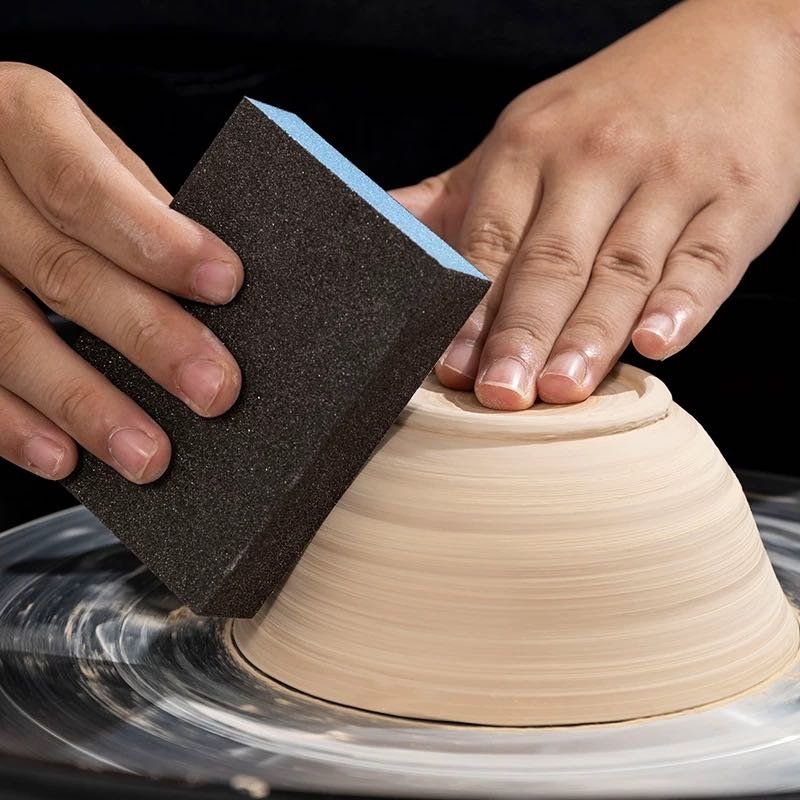

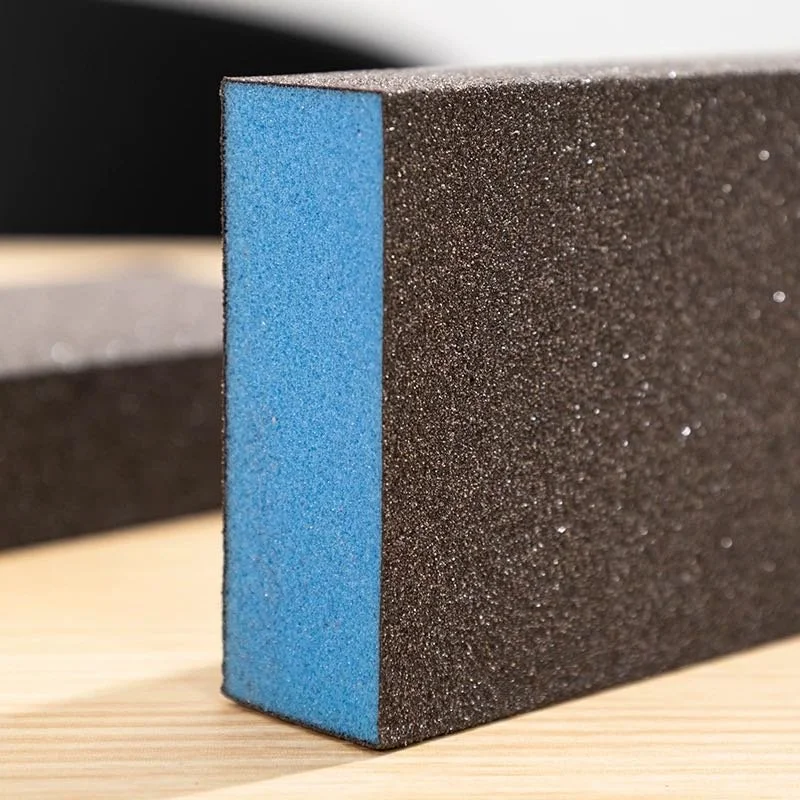

For Wet Sanding:
Dampen the surface of the ceramic with a small amount of water.
Lightly rub the sanding block across the surface in small, circular motions.
Rinse the block and the piece periodically to keep the sanding process clean.
For Dry Sanding:
Simply use the sanding block on the dry surface of the ceramic piece, gently rubbing it in the direction you wish to smooth.
Be careful not to apply too much pressure, as it could create deep scratches or damage the surface.
Smoothing Surfaces: It helps smooth out rough patches, refine the texture, and create a clean, polished surface.
Versatile: Works on both bone-dry clay and bisque-fired ceramics.
Control: The 100-grit block provides a good balance between abrasive power and finish quality, making it ideal for general smoothing without over-sanding.
Avoid Over-Sanding: Be cautious when using any sanding tool, especially on bone-dry clay, as excessive sanding can weaken the piece or cause it to crack.
Use Water for Wet Sanding: Wet sanding can keep the process dust-free, but you need to keep the ceramic piece moist to avoid the block from clogging or the surface from getting too dry and causing scratches.
Clean the Block Regularly: Whether wet or dry, make sure to clean the block periodically to maintain its efficiency.

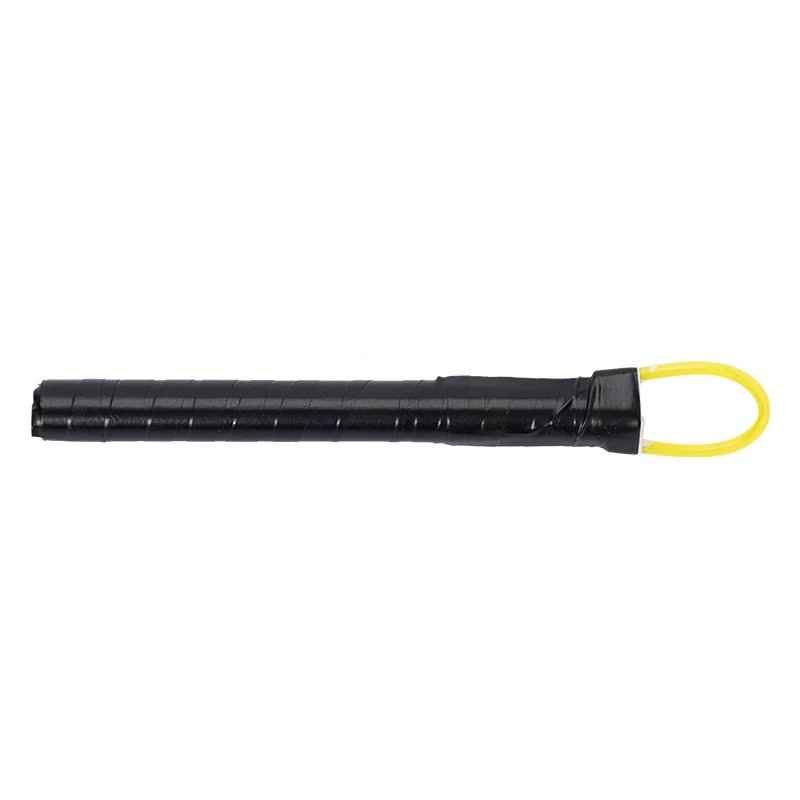
ceramic polish pen is a specialized tool used for smoothing or polishing the surface of ceramics, often after the trimming part before firing.
These pens are typically used to refine and smooth out specific areas of pottery or ceramic items that need a bit of extra finishing or polishing.
No results match your search. Try removing a few filters.


