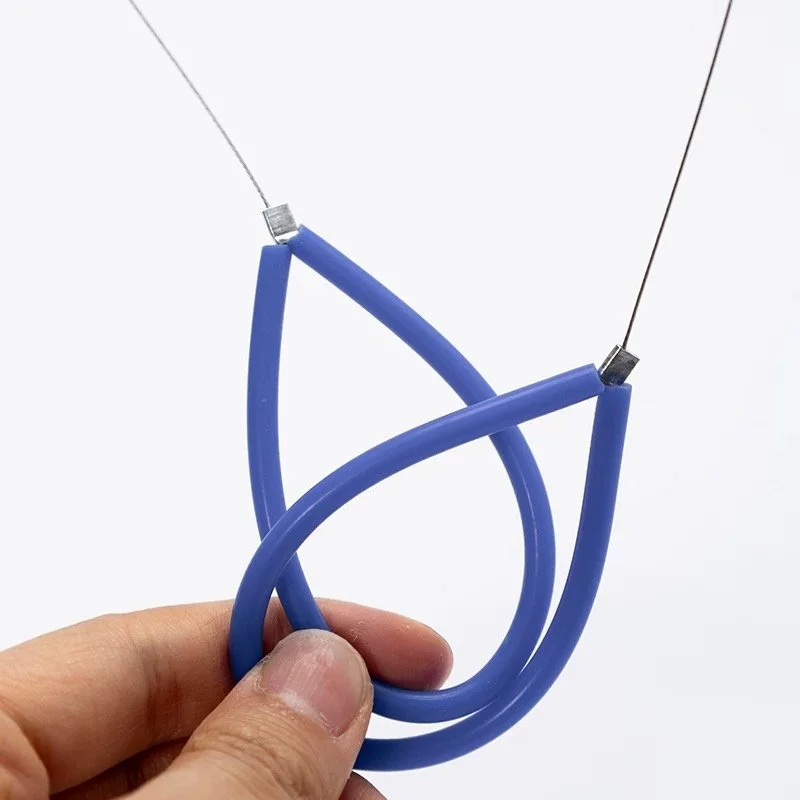
This versatile ceramic carving tool is made from high-quality wood and features soft sponge grips for extra comfort during long working sessions.
Designed for precision and ease of use, it’s perfect for signing, drawing, carving, and even punching small holes in clay.
The dual-ended design offers different tips for more creative flexibility, while the lightweight feel reduces hand fatigue — making it an essential tool for both beginners and professional potters.


Scoring:
The needle tool is great for scoring clay, particularly when you need to join two pieces together (such as when adding handles or joining slabs). It creates fine, controlled scratches on the surface, allowing for better adhesion when you apply slip.
Carving and Detailing:
The sharp, precise point of a needle tool is excellent for carving intricate designs or patterns into clay, especially when the clay is at a leather-hard or bisque-fired stage.
It can also be used for etching fine lines or creating details in decorative pottery or sculpture.
Trimming:
Needle tools can be used for trimming excess clay, particularly in delicate areas or for shaping fine details like rims, handles, or spouts. It's especially helpful for working on smaller or more intricate projects.
Puncturing and Marking:
The needle tool can be used to poke holes in the clay, which is sometimes necessary for creating drainage holes in pots or making small ventilation holes for firing.
It can also be used for marking where to cut or for creating textures or patterns in the surface of the clay.
Texturing:
The tool can create unique textures or effects by pressing it into soft or leather-hard clay, which is useful in decorative pottery and sculptures.
Opening Air Pockets:
Sometimes, air pockets can form within clay, and the needle tool can be used to gently release trapped air before firing.


The cutting knife with a stainless steel blade and wooden handle is a must-have tool for ceramicists who need to cut, trim, shape, or carve clay slabs with precision and control.
Its durable design and comfortable grip make it an ideal tool for a wide range of tasks in both beginner and advanced ceramic work. Whether you're creating handbuilt pottery, tiles, or sculptures, this knife helps you achieve clean, professional results.
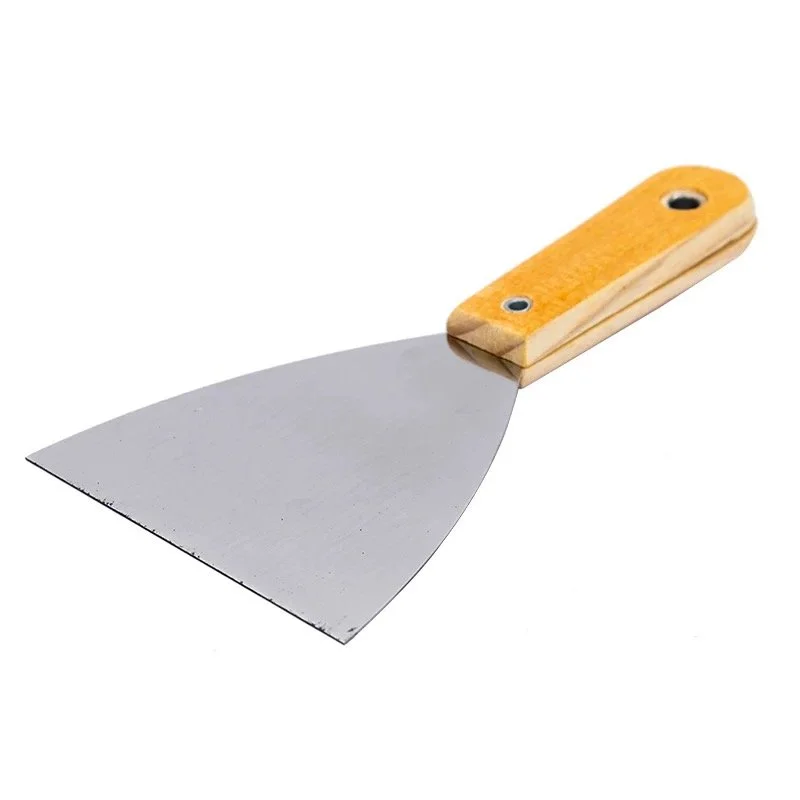

Cutting Excess Clay:
The palette knife can be used to trim or cut off excess clay from a piece during handbuilding or after throwing on the wheel. Its flat, flexible blade allows you to smooth the edges or shape the piece, making it easier to refine the form.
You can use the knife to clean up the bottom of a pot or bowl by cutting away any unwanted clay, especially after it’s been shaped and dried to the leather-hard stage.
Peeling Clay from a Batt:
A batt is often used to roll out clay or as a surface for drying. If your piece is stuck to the batt (often due to moisture or clay adhering to the surface), you can gently peel off the clay using a palette knife. The thin, flexible blade can get under the clay without damaging the piece, allowing you to lift or remove it carefully from the batt.
This is especially useful when the clay has started to dry, and you want to prevent it from cracking or warping when removing it from the surface.
Smoothing and Shaping:
The palette knife is ideal for smoothing the surface of the clay or creating texture on the piece. By gently pressing the knife’s edge to the surface, you can flatten out rough areas or smooth the edges, refining the overall form.
For pieces that need precise or intricate shaping, the palette knife can be used to scrape off small amounts of clay, particularly around the rim or edges.

Scoring:
The needle tool is great for scoring clay, particularly when you need to join two pieces together (such as when adding handles or joining slabs). It creates fine, controlled scratches on the surface, allowing for better adhesion when you apply slip.
Carving and Detailing:
The sharp, precise point of a needle tool is excellent for carving intricate designs or patterns into clay, especially when the clay is at a leather-hard or bisque-fired stage.
It can also be used for etching fine lines or creating details in decorative pottery or sculpture.
Trimming:
Needle tools can be used for trimming excess clay, particularly in delicate areas or for shaping fine details like rims, handles, or spouts. It's especially helpful for working on smaller or more intricate projects.
Puncturing and Marking:
The needle tool can be used to poke holes in the clay, which is sometimes necessary for creating drainage holes in pots or making small ventilation holes for firing.
It can also be used for marking where to cut or for creating textures or patterns in the surface of the clay.
Texturing:
The tool can create unique textures or effects by pressing it into soft or leather-hard clay, which is useful in decorative pottery and sculptures.
Opening Air Pockets:
Sometimes, air pockets can form within clay, and the needle tool can be used to gently release trapped air before firing.
No results match your search. Try removing a few filters.