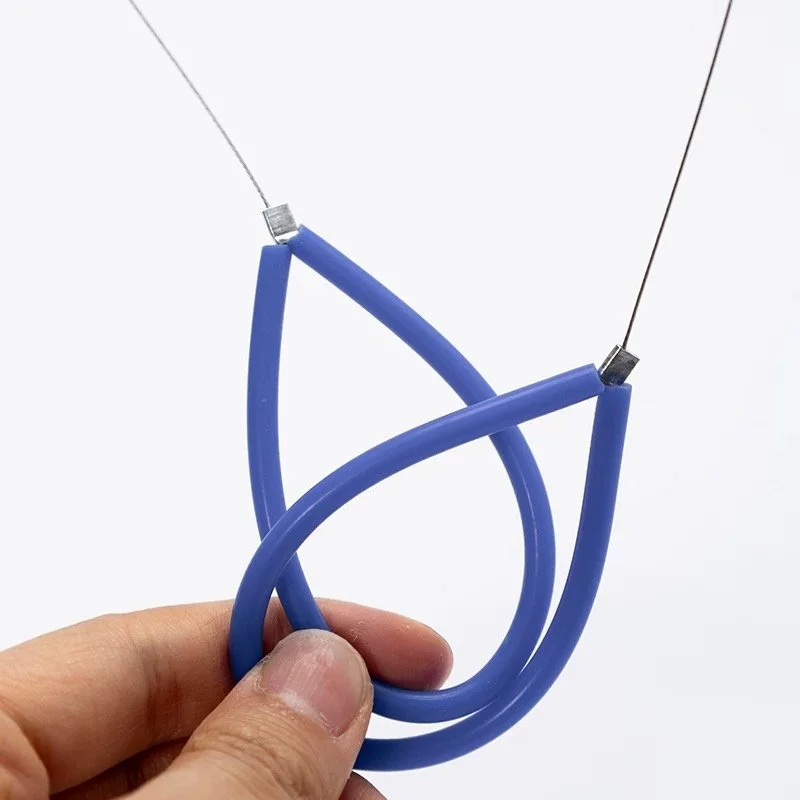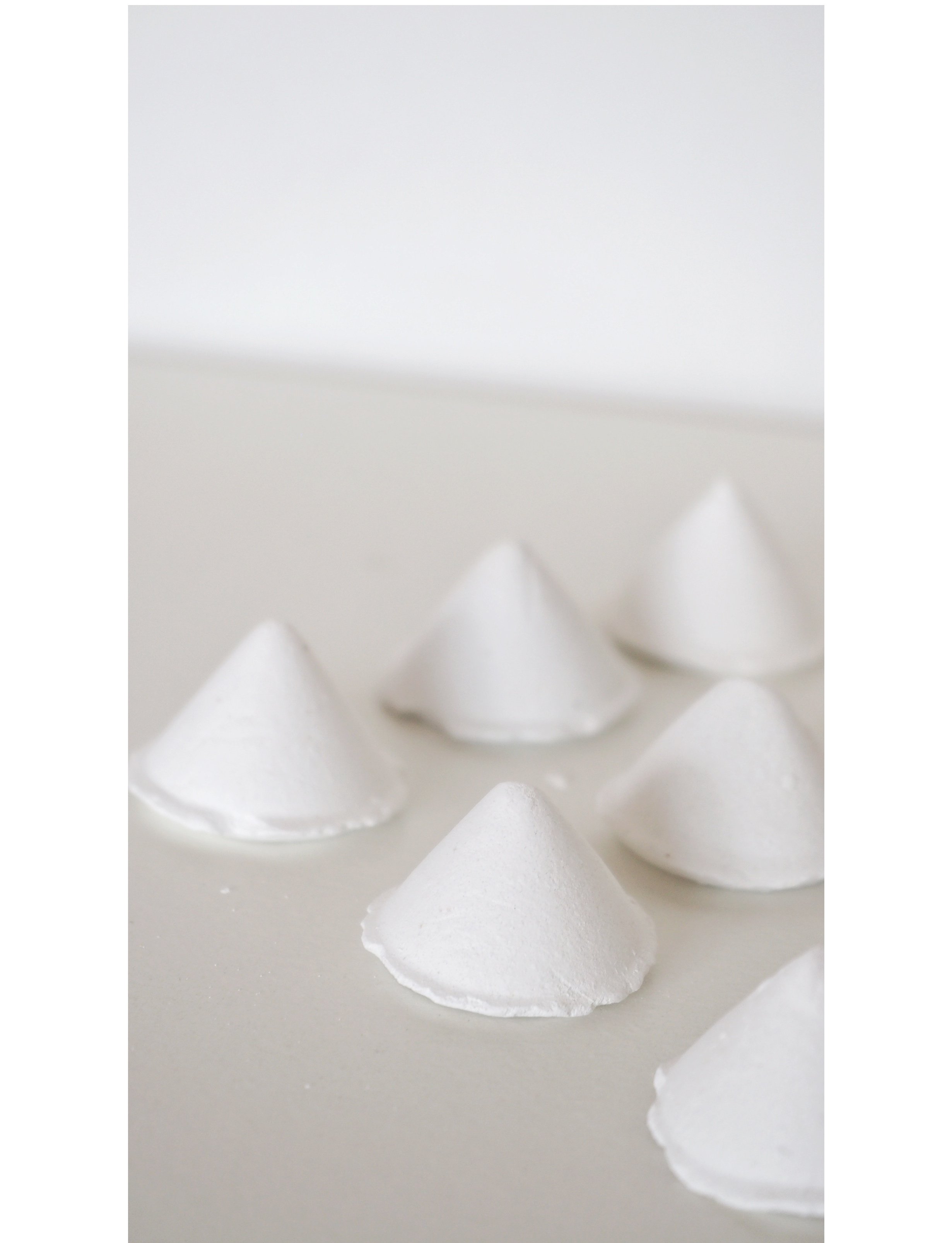

10 pieces per bag
These high-quality refractory kiln stilts are a must-have for ceramic artists and potters. Built to support and elevate your ceramic pieces during firing, they’re made from sturdy, heat-resistant materials designed to endure the extreme temperatures inside a kiln, maintaining their strength and shape throughout the process.
By using these stilts, you can safeguard your glazed surfaces and achieve a smooth, professional finish on your pottery. Whether you’re a hobbyist, professional, or working in a studio, these stilts are an essential tool for flawless firing results.
Protect your ceramics and elevate your work with these durable kiln stilts.


This versatile ceramic carving tool is made from high-quality wood and features soft sponge grips for extra comfort during long working sessions.
Designed for precision and ease of use, it’s perfect for signing, drawing, carving, and even punching small holes in clay.
The dual-ended design offers different tips for more creative flexibility, while the lightweight feel reduces hand fatigue — making it an essential tool for both beginners and professional potters.


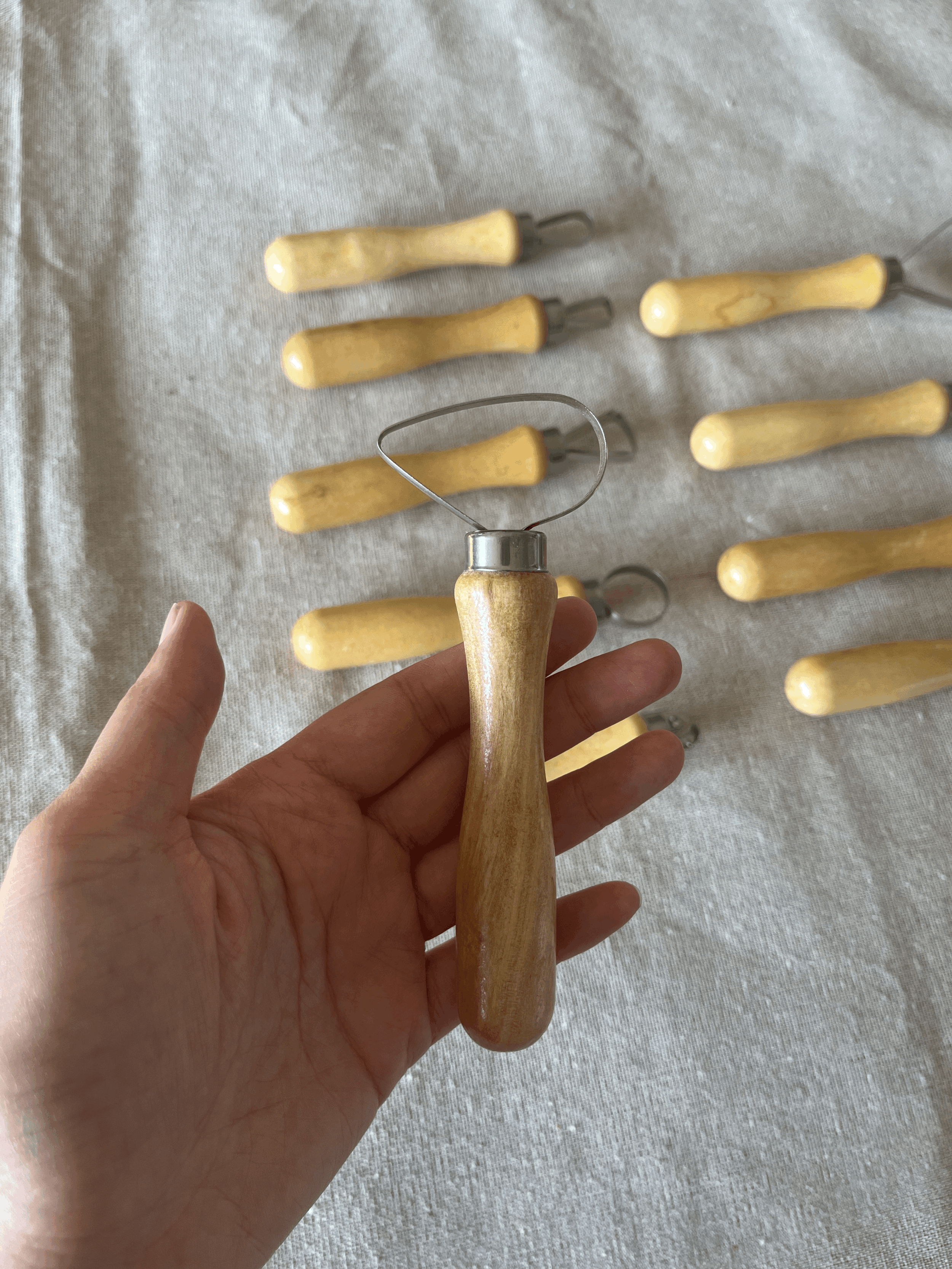

This 10-piece loop tool set features a variety of metal blade shapes designed for trimming, carving, and refining ceramic forms. Each tool includes a smooth, natural wood handle for comfortable use, making it an essential companion for hand-building and wheel-thrown pottery work.
Features:
Length: Each tool measures approximately 14cm — compact and easy to handle
Variety of Shapes: Includes 10 distinct loop heads to suit different trimming and detailing needs
Natural Wooden Handle: Solid wood grips offer a warm, ergonomic feel and long-lasting durability
Applications: Ideal for trimming, shaping, refining edges, carving lines, or creating textural detail


Contents: Two tubes (A and B components)
Usage: For repairing ceramic works, pottery, metals, and more.
Instructions:
Mix A and B at a 2:1 ratio (2 parts A, 1 part B).
Apply mixed glue to clean, dry surfaces.
Initial setting occurs within 1–3 hours; fully cured after 24 hours.
For best results, operate in 15–25°C temperature.
Features: Strong bonding, clear after curing, suitable for delicate repair tasks.


Scoring:
The needle tool is great for scoring clay, particularly when you need to join two pieces together (such as when adding handles or joining slabs). It creates fine, controlled scratches on the surface, allowing for better adhesion when you apply slip.
Carving and Detailing:
The sharp, precise point of a needle tool is excellent for carving intricate designs or patterns into clay, especially when the clay is at a leather-hard or bisque-fired stage.
It can also be used for etching fine lines or creating details in decorative pottery or sculpture.
Trimming:
Needle tools can be used for trimming excess clay, particularly in delicate areas or for shaping fine details like rims, handles, or spouts. It's especially helpful for working on smaller or more intricate projects.
Puncturing and Marking:
The needle tool can be used to poke holes in the clay, which is sometimes necessary for creating drainage holes in pots or making small ventilation holes for firing.
It can also be used for marking where to cut or for creating textures or patterns in the surface of the clay.
Texturing:
The tool can create unique textures or effects by pressing it into soft or leather-hard clay, which is useful in decorative pottery and sculptures.
Opening Air Pockets:
Sometimes, air pockets can form within clay, and the needle tool can be used to gently release trapped air before firing.


This long, split-leg denim apron is both practical and stylish. The neck strap is adjustable for a comfortable fit. It features two large pockets on the chest, several small pockets, and extra side pockets perfect for holding tools. Ideal for pottery, ceramics, or any creative work — keeping you organized while looking great.


This durable tool bag is made from canvas fabric and designed to keep your tools organized and protected. It offers plenty of slots and flexible spaces for storing a variety of ceramic tools, brushes, carving pens, and more. Lightweight and easy to roll up, it's perfect for artists on the go or for keeping your studio tidy. The sturdy strap ensures it stays securely closed during transport.
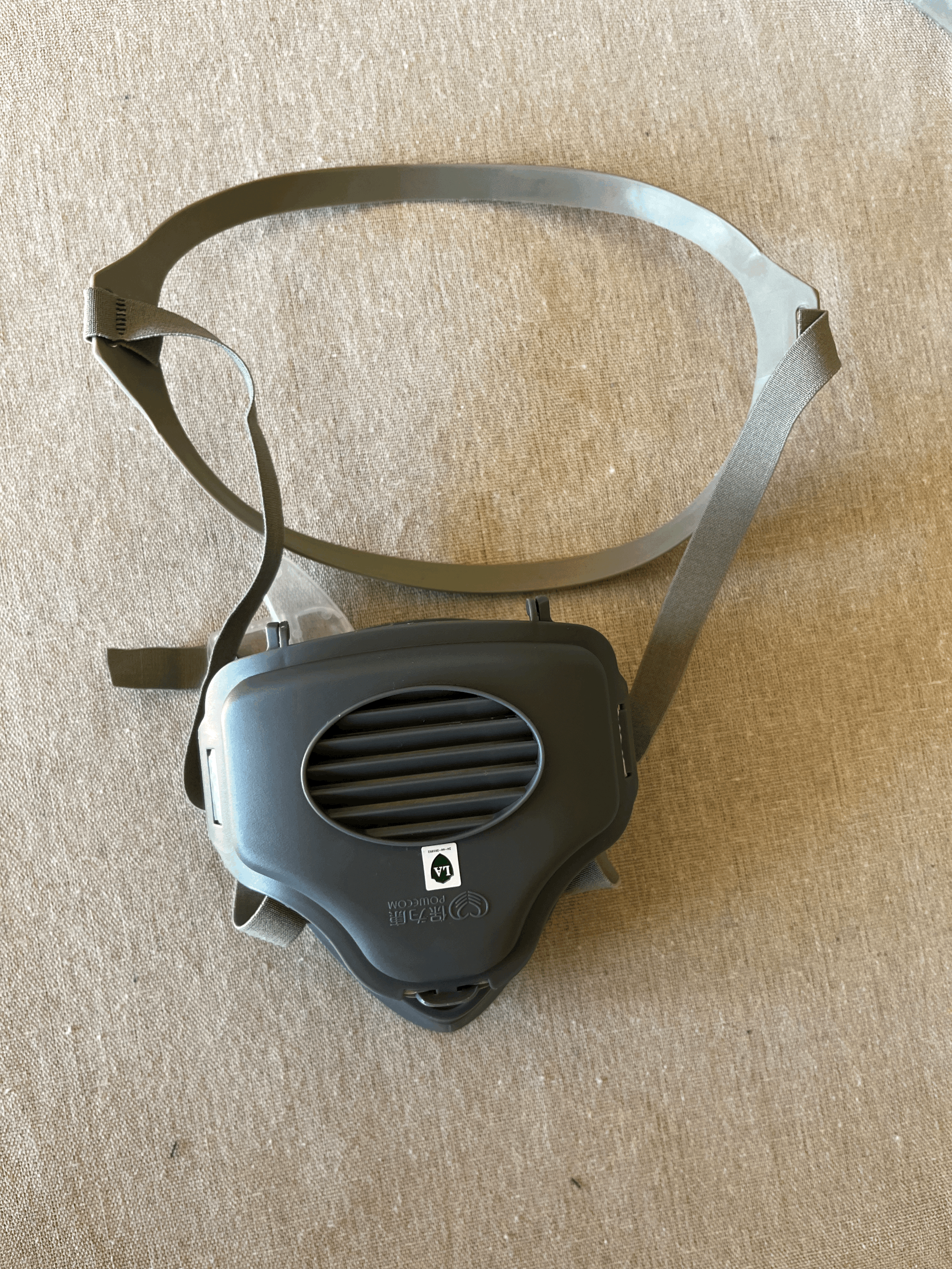


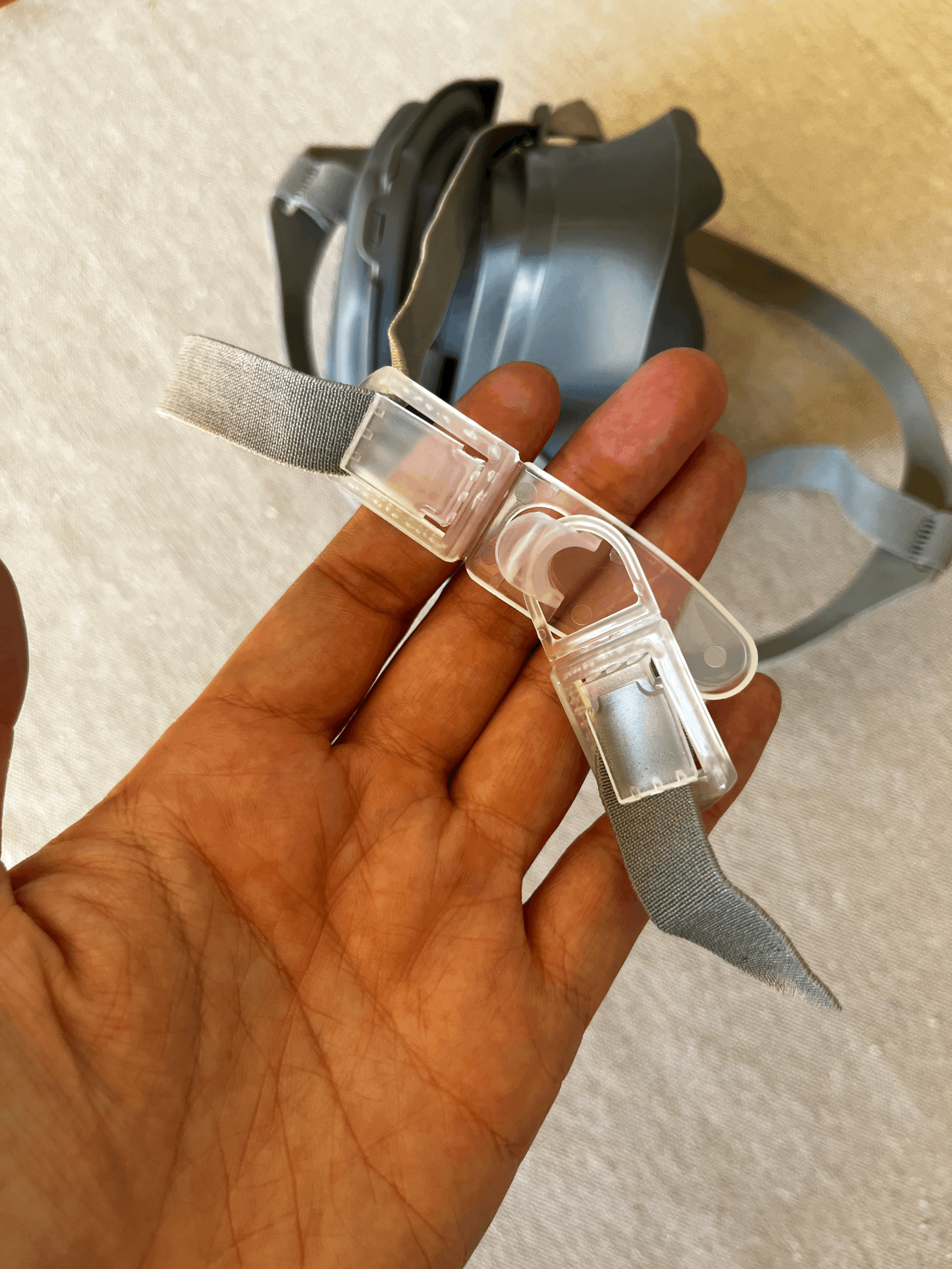
This dust protection mask is designed to keep you safe while working with clay and glaze materials.
Ideal for wearing during glazing, mixing glazes, and dry trimming, it effectively helps filter out fine dust particles that can be harmful when inhaled.
The mask features a comfortable fit, good breathability, and easy-to-replace filters, allowing you to work safely and focus on your craft.
An essential piece of safety gear for every potter who cares about protecting their health in the studio.


Protect your fingers while trimming and shaping!
one size only, 5 per pack.
These flexible finger gloves are designed to shield your skin from rubbing, irritation, and open wounds caused by repeated contact with clay and trimming tools.
Made from soft, durable material, they fit snugly without limiting your movement, allowing you to work comfortably and safely for longer sessions.
Perfect for potters who want to focus on their craft without worrying about painful cuts or blisters.


This set includes 5 beautifully crafted wooden ribs, perfect for shaping, smoothing, and refining your clay work.
The variety of shapes in the set gives you flexibility for working on different forms — from soft curves to sharper angles.
Lightweight, strong, and designed to feel natural in your hand, these wooden ribs are essential tools for both beginner and professional potters.


A banding wheel is a must-have tool for any ceramic artist. Whether you’re adding intricate designs, applying glazes, or caving your pieces, this rotating platform offers 360° access to your work, making it easier to achieve perfect symmetry and smooth finishes.
This turntable is made of aluminum. Design for long durability.
Size for small: 12cm
Size for Medium: 15cm
Size for Large: 18cm

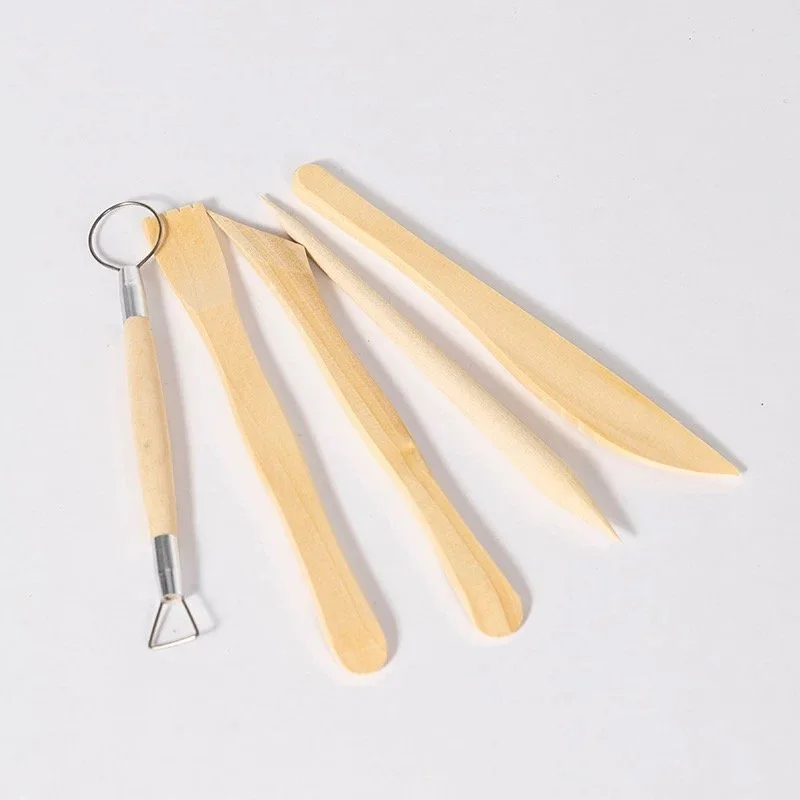

This is a 5-piece ceramic tool set designed for beginners, presented in a clear plastic storage case. The tools include:
1. Loop Tool: For shaping and hollowing clay.
2. Beveling Tool: For cutting or carving edges cleanly.
3. Pointed Tool: Ideal for detailing and incising designs.
4. Flat Shaping Tool: Used for smoothing and refining surfaces.
5. Rounded Sculpting Tool: Perfect for shaping and blending curves.
The tools are crafted from smooth wooden handles and metal accents where applicable, making them lightweight and easy to use. The clear case provides convenient storage and portability.


The 4-round ball set is a practical and versatile tool for creating textures and seamless joins in ceramics. Whether you are adding decorative elements to your pieces or ensuring strong, smooth connections between clay parts, this tool will help you achieve professional-quality results. By using different-sized balls, you can create a variety of textures, from subtle patterns to bold impressions, while also smoothing and sealing seams for durability.
Tool Function: The set of four round balls can be used for a variety of purposes in ceramics, including:
Creating Texture: By gently pressing the balls into the surface of the clay, you can create different patterns or textures on the surface. Each ball may create a different size impression depending on the ball size and the pressure applied.
Smoothing Seams: These tools are particularly effective at smoothing joints between two pieces of clay. For example, if you're joining two pieces, such as slabs or handles, the ball tools can be used to press and smooth the edges where the pieces meet, ensuring that the join is seamless and properly bonded. This is often done to prevent cracking at the seams.
Sealing Joints: When two clay pieces are joined, the round ball tools can be used to press and smooth the edges, effectively sealing the seam. This helps ensure that the pieces stay attached during firing and reduces the risk of cracks or breaks.

A double-headed trimming tool set of 6 is a versatile and efficient solution for shaping and refining ceramics. With stainless steel heads on both ends and durable wooden handles, this set is designed to handle a variety of trimming tasks with precision, covering all different angles and shapes required in pottery.
Key Features:
1. Double-Headed Design:
• Each tool features two stainless steel trimming heads, offering different shapes and sizes for versatile functionality.
• Ideal for achieving a wide range of angles and cuts, including straight lines, curves, and fine details.
2. Stainless Steel Heads:
• Durable and sharp, ensuring clean and precise trimming.
• Resistant to rust and wear, suitable for long-term use even with wet clay.
3. Wooden Handles:
• Smooth, ergonomic handles provide a comfortable grip for better control and reduced fatigue.
• Lightweight yet sturdy, making the tools easy to maneuver.
4. Comprehensive Set:
• Includes 6 tools, offering a full range of options for shaping, detailing, hollowing, and refining your clay projects.
Benefits:
• Saves time by allowing quick transitions between different angles and tasks.
• Provides versatility for all pottery needs, from basic shaping to intricate detailing.
This set is ideal for potters of all skill levels, offering efficiency, durability, and precision in every stage of the trimming process.


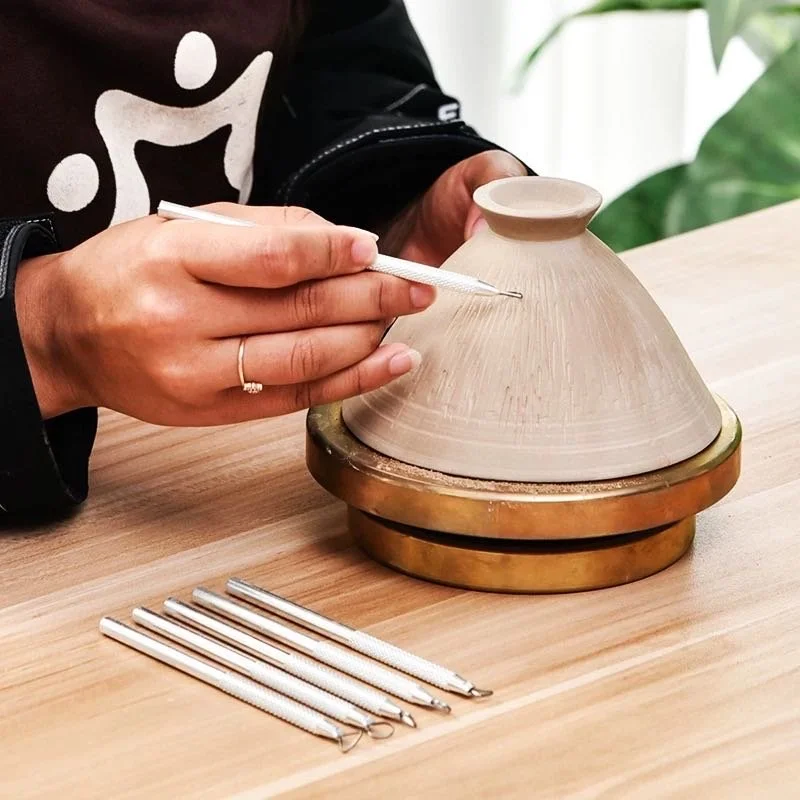


This is a 6-piece ceramic trimming tool set, each measuring roughly 12.2 cm in length and made from lightweight and durable aluminum. The tools are designed with ring and triangle-shaped trimming heads of various sizes, suitable for intricate detailing, carving, and refining clay pieces.
Key Features:
1. Trimming Heads:
• The set includes ring-shaped and triangular trimming heads with sizes ranging from 0.5 cm to 1.0 cm, allowing for precision work on both small and detailed areas.
• The thin wire construction is ideal for removing clay and refining surfaces.
2. Handle Design:
• The handles feature a textured grip, ensuring excellent control and ease of handling, even during delicate tasks.
3. Material:
• Crafted from aluminum, the tools are lightweight yet sturdy, perfect for long-lasting use without hand fatigue.
This set is ideal for ceramicists who need fine detailing tools for sculpting, carving, or trimming clay projects. Perfect for both beginners and professionals.

Scoring:
The needle tool is great for scoring clay, particularly when you need to join two pieces together (such as when adding handles or joining slabs). It creates fine, controlled scratches on the surface, allowing for better adhesion when you apply slip.
Carving and Detailing:
The sharp, precise point of a needle tool is excellent for carving intricate designs or patterns into clay, especially when the clay is at a leather-hard or bisque-fired stage.
It can also be used for etching fine lines or creating details in decorative pottery or sculpture.
Trimming:
Needle tools can be used for trimming excess clay, particularly in delicate areas or for shaping fine details like rims, handles, or spouts. It's especially helpful for working on smaller or more intricate projects.
Puncturing and Marking:
The needle tool can be used to poke holes in the clay, which is sometimes necessary for creating drainage holes in pots or making small ventilation holes for firing.
It can also be used for marking where to cut or for creating textures or patterns in the surface of the clay.
Texturing:
The tool can create unique textures or effects by pressing it into soft or leather-hard clay, which is useful in decorative pottery and sculptures.
Opening Air Pockets:
Sometimes, air pockets can form within clay, and the needle tool can be used to gently release trapped air before firing.

The scoring tool is typically used in ceramics to create scratches or rough surfaces on clay pieces so they can bond together more effectively, especially when you're attaching two pieces, like adding handles or joining slabs. This tool is made from aluminum which is lightweight, durable, and resistant to corrosion.
Purpose: The scoring tool is used to create rough surfaces on clay, which helps increase adhesion when two pieces of clay are joined. The scoring process creates small grooves or scratches on the surface, allowing for better contact and bonding when slip (liquid clay) is applied.
Common Uses:
Attaching Handles: When you are adding handles to a ceramic mug or teapot, scoring both the handle and the body of the piece ensures a strong bond.
Slab Building: When joining two slabs of clay to form a larger piece, scoring both edges before applying slip helps them stick together securely.
Repairing Cracks: Scoring can also be useful when repairing cracked ceramic pieces by roughening the crack area before applying fresh clay.
Prepare the Clay: Make sure the surfaces you want to join are clean and free from dust or dried clay.
Score the Surface: Use the tool to scratch or roughen both surfaces you want to join. Apply consistent pressure to create small, crosshatch marks (a crisscross pattern is ideal) on the surfaces.
Apply Slip: After scoring, apply a thin layer of slip (liquid clay) to one or both scored surfaces to help bond the pieces together.
Join the Pieces: Press the scored and slipped pieces together, and smooth the edges with your fingers or a smoothing tool to ensure a strong bond.
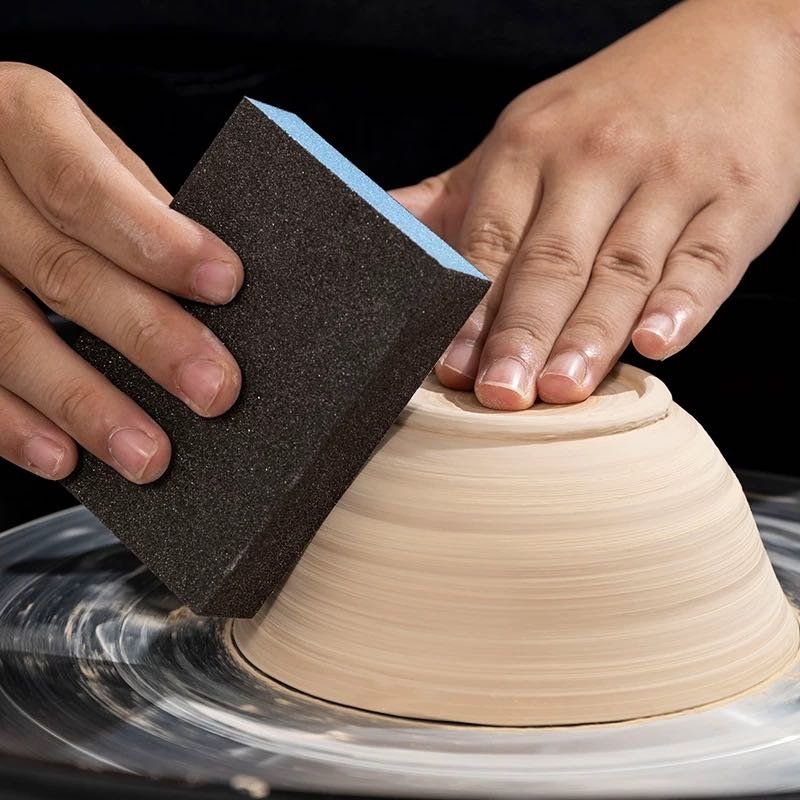

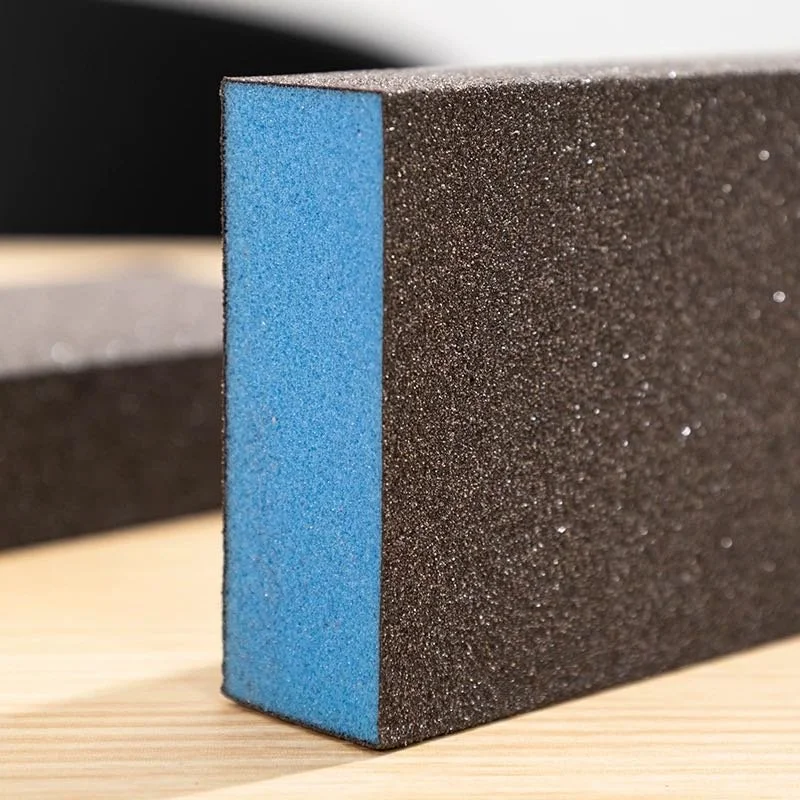

For Wet Sanding:
Dampen the surface of the ceramic with a small amount of water.
Lightly rub the sanding block across the surface in small, circular motions.
Rinse the block and the piece periodically to keep the sanding process clean.
For Dry Sanding:
Simply use the sanding block on the dry surface of the ceramic piece, gently rubbing it in the direction you wish to smooth.
Be careful not to apply too much pressure, as it could create deep scratches or damage the surface.
Smoothing Surfaces: It helps smooth out rough patches, refine the texture, and create a clean, polished surface.
Versatile: Works on both bone-dry clay and bisque-fired ceramics.
Control: The 100-grit block provides a good balance between abrasive power and finish quality, making it ideal for general smoothing without over-sanding.
Avoid Over-Sanding: Be cautious when using any sanding tool, especially on bone-dry clay, as excessive sanding can weaken the piece or cause it to crack.
Use Water for Wet Sanding: Wet sanding can keep the process dust-free, but you need to keep the ceramic piece moist to avoid the block from clogging or the surface from getting too dry and causing scratches.
Clean the Block Regularly: Whether wet or dry, make sure to clean the block periodically to maintain its efficiency.
No results match your search. Try removing a few filters.